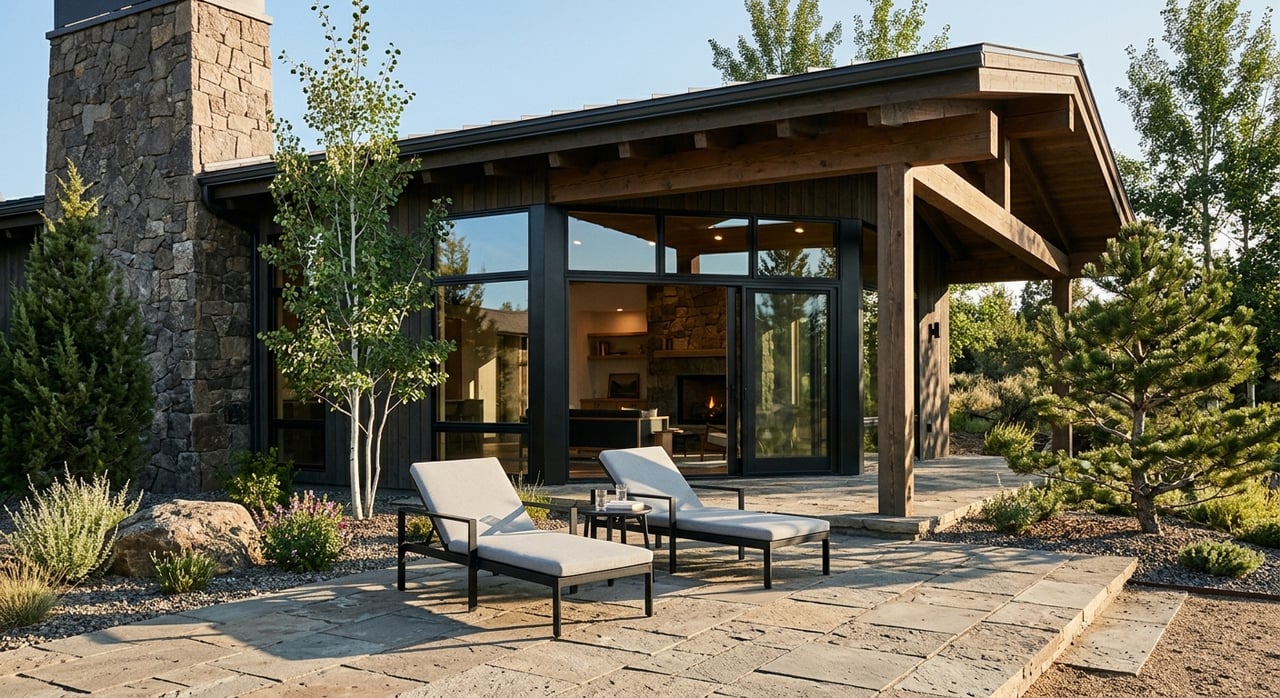
How to Handle Buying in Park City Remotely
June 25, 2026
June 25, 2026
Buying a home in Park City from out of state can feel like a big leap, especially when you are trying to judge neighborhoods, mountain access, and rental rules through a screen. The good news is that remote buying is more realistic here than many buyers expect, as long as you follow a clear process and verify the right details early. In this guide, you will learn how to narrow your search, evaluate homes from afar, and protect yourself during due diligence so you can move forward with confidence. Let’s dive in.
Park City is a compact mountain market at about 7,000 feet and sits roughly 35 minutes from Salt Lake City International Airport. That makes quick scouting trips more manageable if you want to combine a short visit with showings, inspections, or a final walk-through.
Once you are in town, the local transit system can make it easier to cover key areas without relying on a car. Park City Transit and High Valley Transit offer free year-round bus service that connects major resorts, neighborhoods, and shopping districts, which helps when you are trying to understand location and access in a short window.
Remote buying also lines up with how most buyers already shop. Recent buyer research shows that many buyers start online, use mobile devices heavily, and place strong value on photos, detailed property information, and floor plans. That matters in Park City, where layout, storage, access, and surroundings can affect how a home lives in every season.
Strong listing media matters even more when you are buying from a distance. Research on buyer behavior shows that photos, staging, videos, and virtual tours help buyers picture a property more clearly, which is why a remote search should never rely on listing photos alone.
When you buy remotely, location is not a side detail. In Park City, it is one of the first things you need to lock down because lifestyle, access, parking, rental rules, and renovation options can shift from one area to another.
Visit Park City describes Historic Main Street as a strong fit for walkability and nightlife. Resort areas near Park City Mountain and Deer Valley are closely tied to ski access and trail proximity, while Kimball Junction is known for convenient access to shopping, dining, and Utah Olympic Park.
That means your home search should begin with a map, not just a list of homes. Before you fall in love with photos, you need to know how close the property is to skiing, transit, dining, parking, and the places you expect to use most.
One of the most important remote buyer steps is confirming exactly where a property sits. Park City and Summit County have separate zoning and licensing frameworks in some cases, so you do not want to make assumptions based on a mailing address or marketing description.
Park City’s planning resources include both a zoning map and a nightly rental map. The city also notes that growth happened through many annexations over time, which means boundaries are not always obvious to an out-of-area buyer.
If you are evaluating a home for personal use, future remodel plans, or rental potential, verify the parcel location before you write an offer. That single step can save you from major surprises later.
Park City is home to more than 400 historic sites and two National Register Historic Districts. The Main Street Historic District dates to 1979, and the Mining Boom Era Residences district dates to 1984.
If you are considering an older home in or near these areas, exterior changes or alterations may come with more review expectations. That does not mean you should avoid older properties, but it does mean you should confirm what rules may apply before assuming you can renovate the way you want.
A good remote showing should give you more than a polished highlight reel. In Park City, you want a showing process that helps you understand how the home functions on the ground, not just how it looks in marketing photos.
The strongest setup usually includes a live video walkthrough, floor plans, and neighborhood context. That combination helps you assess room flow, ceiling heights, window placement, and practical details that static images often miss.
During a live walkthrough, ask to see the things that matter most in a mountain market:
These details can shape day-to-day living just as much as square footage or finishes. They are also the kinds of factors that are easier to catch before you are under contract than after you close.
Utah gives buyers an important layer of protection through the standard Real Estate Purchase Contract. Under that contract, buyer due diligence is paid for by the buyer, can be handled by professionals the buyer chooses, and gives the buyer the right to cancel or resolve objections by the due-diligence deadline if the results are not acceptable.
That same contract also states that the property is purchased in as-is condition. In practical terms, that means your due diligence window is where you need to be thorough, organized, and proactive.
Utah now licenses private home inspectors, which gives remote buyers a clearer way to check qualifications. To qualify, inspectors must show a national certificate through ASHI, InterNACHI, or ICC and carry both general liability insurance and errors and omissions insurance at the required levels.
For you, this means inspector selection is not just a scheduling task. It is part of your risk management, especially if you are buying a cabin, condo, or mountain home where seasonal wear, drainage, access, and maintenance details can matter.
The Utah contract allows a final pre-settlement walk-through no earlier than seven calendar days before settlement. For a remote buyer, this step serves a different purpose than the first virtual tour.
A live video showing helps you decide whether to move forward. The final walk-through is your chance to confirm the property’s condition before closing and make sure the home is in the expected state.
If you are buying a condo or an HOA property in Park City, document review is a major part of remote due diligence. Utah’s HOA guidance says the seller must provide governing documents and educational materials before closing, but buyers should think beyond the minimum and request a full picture early.
Depending on the property and the contract, documents may include:
Some communities may also have a master association plus one or more sub-associations. That is why you should never assume there is only one HOA relationship or one set of fees and rules.
If you are buying a second home or investment property, rental rules need to be verified before you get too far into numbers. Utah’s HOA guidance notes that HOAs may prohibit rentals, limit rentals, set minimum lease terms, or maintain rental waiting lists.
Even if the HOA allows rentals, city or county rules may still limit what you can do. HOA type and condition can also affect financing, so your lender should be looped in early if rental use is part of your plan.
Short-term rental rules are not one-size-fits-all in this market. Park City and Summit County run separate nightly rental licensing systems.
Park City says anyone offering lodging for less than 30 days must obtain a nightly rental license if zoning allows it, along with a state sales tax ID and DBA registration. The city says approvals generally take 15 to 30 days.
Summit County also requires nightly rental licenses for owners and managers of rentals under 30 days. The county says approval normally takes 5 to 10 business days, though it can take up to 30 days.
For a remote buyer, the practical lesson is simple: confirm whether the property is inside Park City limits or in unincorporated Summit County before you estimate short-term rental income. That is one of the most important investor checks in this market.
If you plan one in-person trip, timing matters. Park City asks travelers to avoid the 7:00 to 9:30 a.m. and 3:30 to 6:00 p.m. windows on winter peak days when possible, and the city publishes a Winter Traffic Peak Day Calendar to help with planning.
Transit can help simplify a scouting visit. Park City Transit runs fare-free service, with enhanced frequency on most routes, city-wide microtransit, and express routes from Richardson Flat Park-and-Ride to Deer Valley Resort and Park City Mountain.
Parking also deserves more attention than many remote buyers expect. In winter, paid parking begins December 15 in city-owned Old Town lots, parking without a residential permit in certain neighborhoods is prohibited and enforced, and Park City Mountain uses a parking reservation system during the winter season.
If you are planning a quick decision trip, build these realities into your schedule. You do not want parking confusion or peak-day traffic to eat into your showing time.
Remote closings can be smoother than they used to be. Utah allows remote online notarization through a commissioned RON notary and approved vendors, which can make long-distance signing more convenient.
Even so, closing security matters. Before sending funds, verify wiring instructions using a known phone number from your trusted transaction contacts rather than relying on a last-minute email.
A careful remote closing plan should include:
Buying remotely does not mean buying blindly. With the right maps, the right documents, and a disciplined due diligence process, you can make smart decisions in Park City from wherever you are.
If you want local guidance on Old Town condos, mountain cabins, ski-area homes, or Park City investment property, Cameron Boone can help you build a remote buying plan that fits how you want to live, use, or hold the property.
Stay up to date on the latest real estate trends.
As a young real estate agent, I bring a unique blend of youthful energy and extensive hands-on experience, having successfully completed over 150 transactions totaling more than $85 million in sales. My roots in Park City run deep – I own my primary residence in the charming Old Town neighborhood and have also invested in two additional rental properties in the same area.