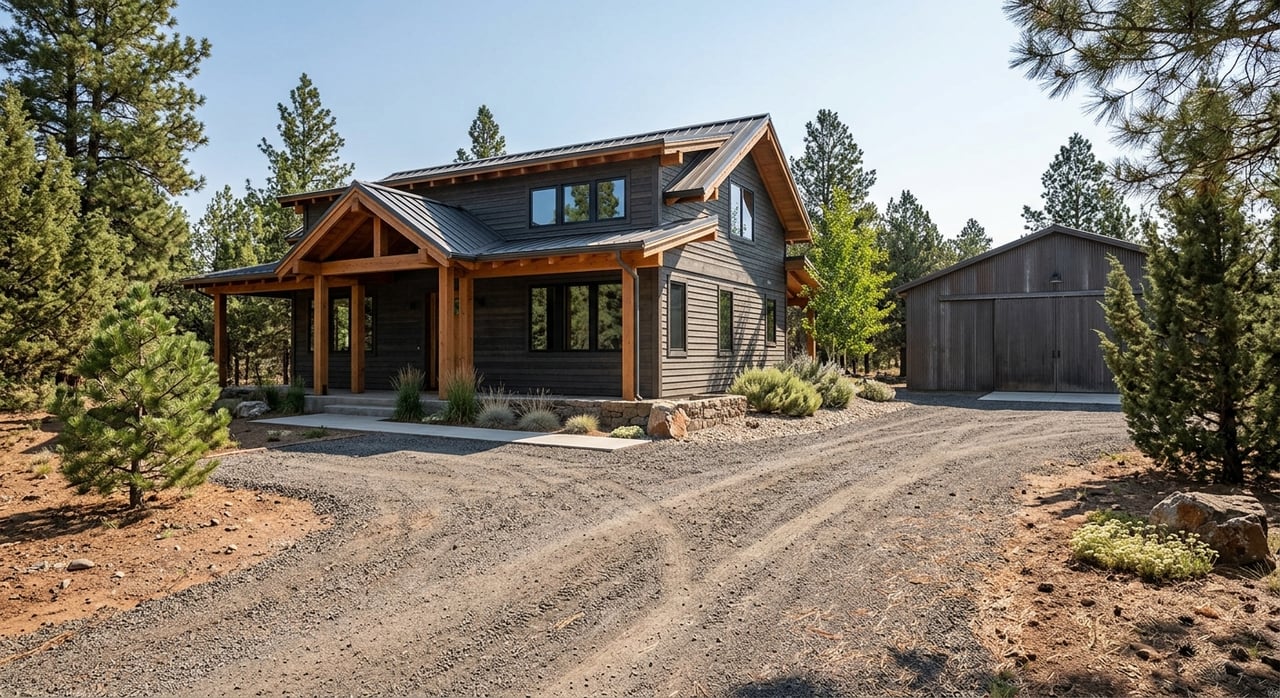
Selling a Coalville Cabin With Fewer Surprises
July 9, 2026
July 9, 2026
Thinking about selling a cabin or acreage property in Coalville? These properties can attract serious interest, but they also raise more buyer questions than a typical in-town home. If you want a smoother sale and stronger offers, you need to show buyers exactly what they are getting, from access and utilities to permits and allowed use. Let’s dive in.
Coalville is a small market, with an estimated 1,555 residents and 512 households. That matters because cabin and acreage listings often have fewer direct comparables than a standard home in a subdivision. Pricing, positioning, and buyer expectations usually require a more detailed approach.
Another key factor is location within the local jurisdiction. Some properties are inside Coalville city limits, while others fall in unincorporated Summit County within the Eastern Summit Planning District. That split can affect roads, utilities, land-use rules, and the questions buyers ask before making an offer.
For a Coalville cabin or acreage property, access is part of the value story. Buyers want to know whether the property sits on a city street, a county-maintained road, or a private lane or easement. They also want to understand how access may work during snow season and whether drainage or road maintenance is handled publicly or privately.
Coalville City maintains city streets, while Summit County Public Works maintains designated county roads. If your property uses a private road or shared access easement, that should be clearly documented early. The more clarity you can provide, the more confidence buyers tend to have.
Before listing, it helps to collect documents and details that answer the most common access questions:
Utility information can make or break buyer confidence on a rural property. Inside Coalville, the city provides culinary water, secondary water, and municipal wastewater service. If your property connects to secondary water, the city requires proof of sufficient water rights for the acreage being served.
For more rural parcels, the setup may involve a well, septic system, or a mix of public and private services. Utah’s onsite wastewater program governs septic systems, and the Division of Water Rights governs wells. In practical terms, your listing should clearly state whether the property uses city water, city sewer, secondary water, a well, septic, or some combination.
When buyers look at a Coalville cabin or acreage listing, they often want answers to these questions right away:
For acreage properties, accuracy matters. The Summit County Recorder’s Office maintains land records and survey plats, making it an important source for confirming legal description, acreage, and recorded documents affecting the property. That is especially useful when a listing includes easements, multiple parcels, or irregular boundaries.
A strong seller file can help answer buyer concerns before they turn into delays. Plats, easements, and recorded access documents help show exactly what is being conveyed. For cabin and land buyers, that kind of clarity is a major advantage.
Not all acreage functions the way buyers assume. In Coalville’s AG-20 zone, the code sets density at one lot per 20 acres, requires a minimum lot size of one acre, and calls for 150 feet of residential frontage or access by private driveway, road, or lane. Those details can shape how buyers view future use and long-term value.
This is one reason broad claims can hurt a listing. If a property looks like it offers expansion, additional structures, or flexible land use, buyers will want to know what the code actually allows. The safer and smarter approach is to market documented use, not assumptions.
Barns, corrals, sheds, and other accessory structures can add value, but only if their status is clear. Coalville’s code says accessory structures cannot be placed in the front setback, and permanent accessory buildings cannot sit in platted easements. Animal housing and similar improvements must also meet separation requirements from nearby dwellings and streets.
That means buyers may not just ask whether a barn exists. They may also ask whether it complies with current rules and whether the land supports the use they have in mind. If you can answer those questions early, your property stands out for the right reasons.
Cabin and acreage properties often evolve over time. A shed gets added, a deck gets expanded, a barn goes up, or an older structure gets improved. Before you list, it is worth confirming whether those changes required permits and whether they were completed under city approval or an agricultural exemption.
Coalville requires building permits for construction, enlargement, alteration, repair, movement, improvement, removal, conversion, or demolition of buildings and structures. The city exempts only a limited group of items, such as detached accessory buildings under 200 square feet, fences six feet or less, and retaining walls four feet or less. Agricultural structures may qualify for a building-permit exemption, but that does not remove zoning setback or height compliance.
A pre-listing review should look closely at:
Some buyers will naturally ask about rental potential. In Coalville, short-term rental rules are specific, and sellers should be careful not to advertise nightly-rental potential unless the property file already supports that use.
According to city rules, short-term rentals require a business license, and the rental owner or manager must be onsite or within 10 miles. Detached accessory dwelling units must be rented for more than 30 days, exterior rental signs are prohibited, and local rules also cap the number of short-term rentals and apply spacing limits in residential and agricultural zones. For sellers, the takeaway is simple: market verified use rights, not possibilities that may not apply.
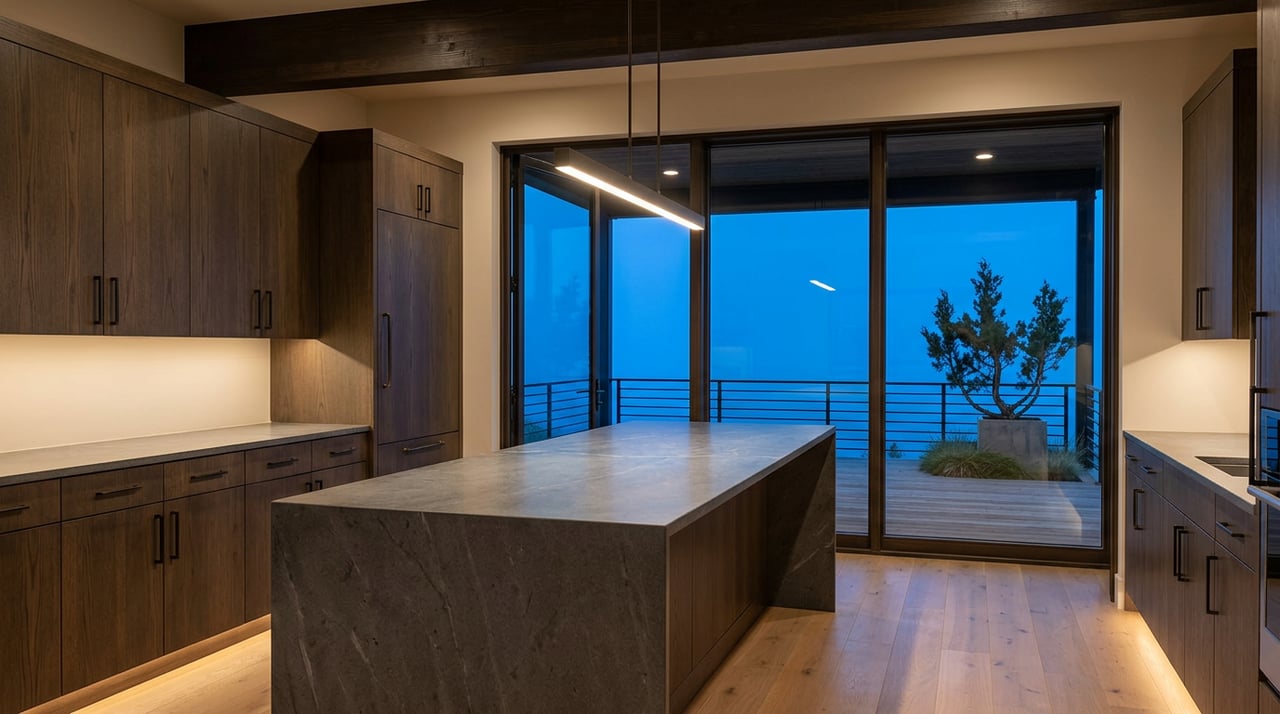
A beautiful cabin interior can grab attention, but rural buyers usually go deeper. They want to know what the land can actually do and how easy the property will be to own, access, and maintain. In Coalville, documented land utility often matters just as much as views, finishes, or square footage.
That is why the strongest listings explain clear access, clear water and wastewater status, clear permit history, and clear use rights. Good photos still matter, especially drone and wide-angle imagery that shows approach, topography, and layout. But the marketing message should support the practical side of the property as much as the visual side.
For a Coalville cabin or acreage sale, effective marketing often focuses on:
Rural buyers often ask about site constraints. Coalville’s sensitive-lands code requires analysis for steep slopes, ridgelines, wetlands, flood plains, stream corridors, wildland-urban interface areas, and wildlife habitat when development is proposed in sensitive areas. The same code says flood plains should be protected from disturbance.
There is also a practical staging angle here. Summit County’s fire page shows Stage 2 restrictions on unincorporated and state lands as of June 26, 2026. For sellers, that reinforces the value of presenting a tidy site, maintained access, and defensible space rather than focusing only on indoor presentation.
If you want your property to sell with fewer surprises, think like a buyer before you go live. Most rural buyers are not just buying a home. They are buying access, systems, documentation, and confidence.
A strong pre-listing package can help your property show better and negotiate better. It can also reduce the back-and-forth that often slows down cabin and acreage transactions.
When a listing answers the hard questions up front, buyers can focus on the opportunity instead of the uncertainty. That is especially important in a place like Coalville, where every cabin, parcel, and acreage property tends to have its own story.
If you are getting ready to sell a Coalville cabin or acreage property, working with a local cabin specialist can help you present the property clearly, market it creatively, and attract better-informed buyers. To start the conversation, connect with Cameron Boone.
Stay up to date on the latest real estate trends.


As a young real estate agent, I bring a unique blend of youthful energy and extensive hands-on experience, having successfully completed over 150 transactions totaling more than $85 million in sales. My roots in Park City run deep – I own my primary residence in the charming Old Town neighborhood and have also invested in two additional rental properties in the same area.