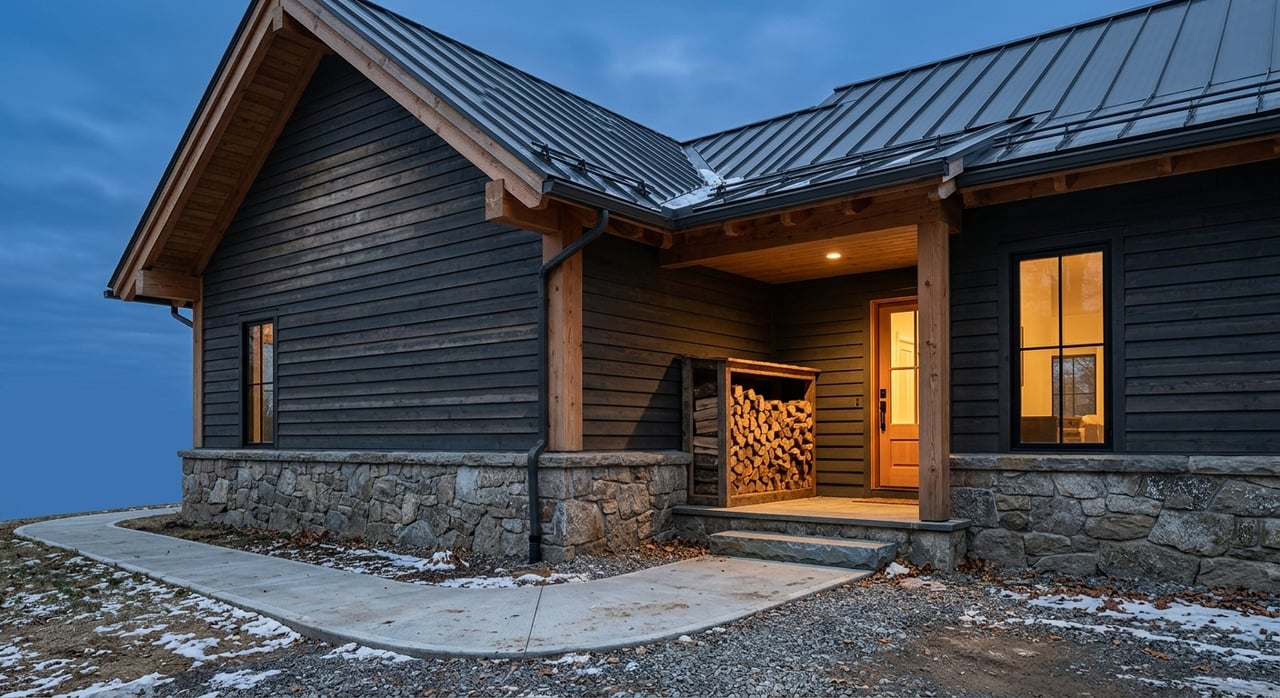
Coalville Cabin Year Round Living Considerations
July 2, 2026
July 2, 2026
Buying a cabin in Coalville can feel like buying a lifestyle and a puzzle at the same time. You may love the privacy, views, and mountain character, but if you want to live there full time, the day-to-day basics have to work in every season. This guide will help you understand the local road, utility, permit, and winter-use details that matter most before you turn a Coalville cabin into a year-round home. Let’s dive in.
A weekend cabin and a full-time home do not operate the same way. Once you plan to live in a property every day, details like road access, snow removal, water service, sewer or septic setup, and permit approvals move from nice-to-know items to must-check items.
Coalville does have a local service base that supports full-time living. The city connects residents to local fire protection, schools, health services, the library, recreation services, and county offices, and Summit County Health lists a Coalville office at 85 North 50 East. That local framework is helpful, but the property itself still needs to be set up for daily use.
If you are converting a cabin into a primary residence, start with the assumption that this is a regulated project. Coalville City requires a building permit for construction, enlargement, alteration, repair, movement, improvement, removal, conversion, or demolition of a building or structure.
That matters because a year-round conversion often goes beyond cosmetic work. If you are upgrading insulation, adjusting heating systems, changing utility connections, or making access improvements, those items may fall under the city’s permit process.
Before a permit is issued, Coalville requires approvals from:
The city’s review checklist can require items such as:
The North Summit Fire District also requires a Letter of Approval and applies IFC and Utah Wildland-Urban Interface standards. For buyers, that is a strong reminder that year-round cabin use is about more than finishes and furniture. The property needs to function safely and legally in local conditions.
In mountain communities, road access can make or break year-round usability. A cabin may look perfect in July, but winter access tells the real story.
In Coalville, snow removal depends on who maintains the road. Coalville City’s Street Department handles snow removal on city streets, while Summit County Public Works maintains designated county roads. If the access road is private or managed by an HOA, you should verify who handles plowing and how consistently that work is done.
This is one of the first questions I would encourage any cabin buyer to answer clearly. You want to know not just whether a road exists, but who maintains it, when it is plowed, and what conditions look like after a major storm.
Even if the road is maintained, winter parking rules can affect how comfortably you live on the property. Coalville restricts on-street parking on city streets from November 1 through March 31 for snow removal.
On county roads, Summit County prohibits on-street parking from November 15 through April 15. The county also requires owners to keep all snow on their own property and not push snow into the county right-of-way.
That may sound minor, but it affects real daily decisions like:
Summit County also requires utilities and hydrants to be marked with tall poles or flags so snow crews can locate them under snow. If you are evaluating a cabin for full-time living, these practical winter details deserve a close look.
If the cabin sits on a higher-elevation route, seasonal closures should be part of your research. UDOT notes that some roads close through winter, typically from November through May or June depending on weather, and that non-state-maintained routes should be checked locally for seasonal closure information.
That means a property can have legal access on paper but still have seasonal limitations that affect daily life. If your goal is primary residence use, verify whether the route stays open year round and who confirms that status.
Water setup is another major checkpoint when you are comparing a seasonal cabin to a year-round home. Within city limits, Coalville City provides culinary water and secondary water.
Culinary water is the water used for daily household needs. Secondary water is irrigation water only, is not healthy to drink, is typically available from about May 10 through September 30, and requires proof of adequate water rights plus a connection fee before a property owner can connect.
For a full-time homeowner, that distinction matters. If a cabin’s exterior use plan depends on irrigation, you need to understand whether secondary water is available, whether water rights are adequate, and how the property functions outside that seasonal window.
A weekend cabin may have simple outdoor needs, but a primary residence often brings more routine maintenance and storage demands. Because Coalville’s secondary-water system is seasonal, a year-round home may need a different approach to landscaping, irrigation equipment, and freeze protection.
If the lot includes lines, hoses, valves, or equipment exposed to winter conditions, ask how they are protected. It is also smart to look at where snow will be stored so you do not create conflicts with access, utility locations, or outdoor systems.
Wastewater is another area where assumptions can get expensive. Coalville City owns and operates the community wastewater treatment plant, so if a property is connected to city sewer, that is one path.
If the cabin is not on city sewer, Summit County Health regulates onsite wastewater systems. That includes site evaluations, permit review, installation checks, and ongoing oversight.
For buyers, the main takeaway is simple: confirm exactly what the property uses today and whether that system supports full-time occupancy. If the home relies on onsite wastewater, make sure the status, approvals, and condition are clear before you close.
If a property uses a private well or another non-city source, water quality should be part of your due diligence. Summit County’s lab can test private-well or community-system water for bacteria.
That does not automatically mean there is a problem. It just means a year-round home should be evaluated with year-round standards in mind, including reliability, potability, and maintenance planning.
Comfort is one of the biggest differences between a cozy getaway and a home that works every day. Coalville’s permit materials specifically call for thermal-envelope details, heat-loss calculations, and energy-code compliance.
That is a strong signal that insulation and air sealing are central to year-round livability. If you are evaluating a cabin, pay close attention to how the structure handles heat retention, drafts, and cold-weather performance.
A practical conversion plan should account for:
These are not just comfort upgrades. They are part of making the property function reliably through a full Utah winter.
Even if you plan to stay for years, resale should still be part of the conversation. A cabin with documented road access, clear utility status, and completed permits will usually be easier for future buyers to evaluate than a property with open questions.
In a market like Coalville, organized records can help reduce uncertainty. If you complete improvements, keep copies of permits, approvals, utility documentation, driveway details, and system information in one place.
That kind of preparation supports a smoother sale later and can widen the pool of buyers who feel comfortable moving forward. It also helps the next owner understand exactly how the home operates in every season.
If you are thinking about making a Coalville cabin your primary home, here are the key items to verify early:
A cabin can absolutely become a comfortable year-round home in Coalville, but the best outcomes usually come from asking the practical questions early. That is where local cabin experience really matters.
If you are weighing a Coalville cabin for full-time living, Cameron Boone can help you look beyond the charm and evaluate the access, utility, and property details that shape day-to-day life and long-term value.
Stay up to date on the latest real estate trends.
As a young real estate agent, I bring a unique blend of youthful energy and extensive hands-on experience, having successfully completed over 150 transactions totaling more than $85 million in sales. My roots in Park City run deep – I own my primary residence in the charming Old Town neighborhood and have also invested in two additional rental properties in the same area.