Coalville Cabin Market Guide for Smart Mountain Buyers
May 14, 2026
May 14, 2026
Looking for a mountain cabin near the Park City area without jumping straight into resort-core pricing? Coalville gives you a different lane to explore, one where acreage, cabin character, and practical mountain living often matter just as much as square footage. If you are buying for lifestyle, investment, or a mix of both, this guide will help you understand how Coalville fits into the market and what to check before you make a move. Let’s dive in.
Coalville sits in Eastern Summit County and functions as both the county seat and a rural mountain community. That gives it a different identity than Park City, which remains the higher-priced resort core in the broader Summit County housing picture.
For many buyers, that difference is the draw. You can often find more land, more privacy, and more cabin-style inventory in Coalville than you would in Park City, while still staying connected to the larger Park City-area market.
Coalville does not fit neatly into one price point, and that is important to understand from the start. Current market snapshots show different figures depending on whether you are looking at typical value, list prices, or closed sales.
Zillow shows a typical home value of $692,123 and a median list price of $937,500 as of March 31, 2026. Realtor.com reports a median listing price of $975,000, with 88 homes for sale and a median of 172 days on market, while Redfin shows a March 2026 median sale price of $600,000.
The key takeaway is not that one number is “right” and the others are “wrong.” It is that Coalville has a broad range. Current examples stretch from a smaller in-town home listed at $435,000 to mountain cabins in the high six figures and low seven figures, with luxury outliers above that.
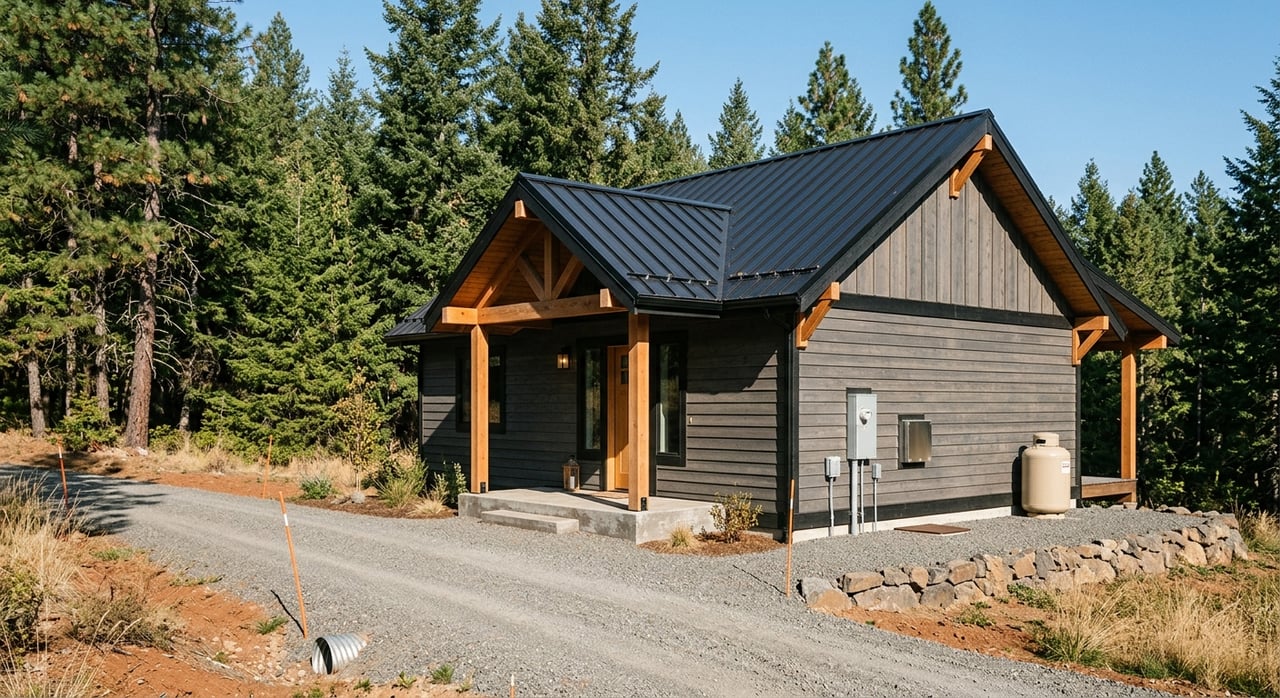
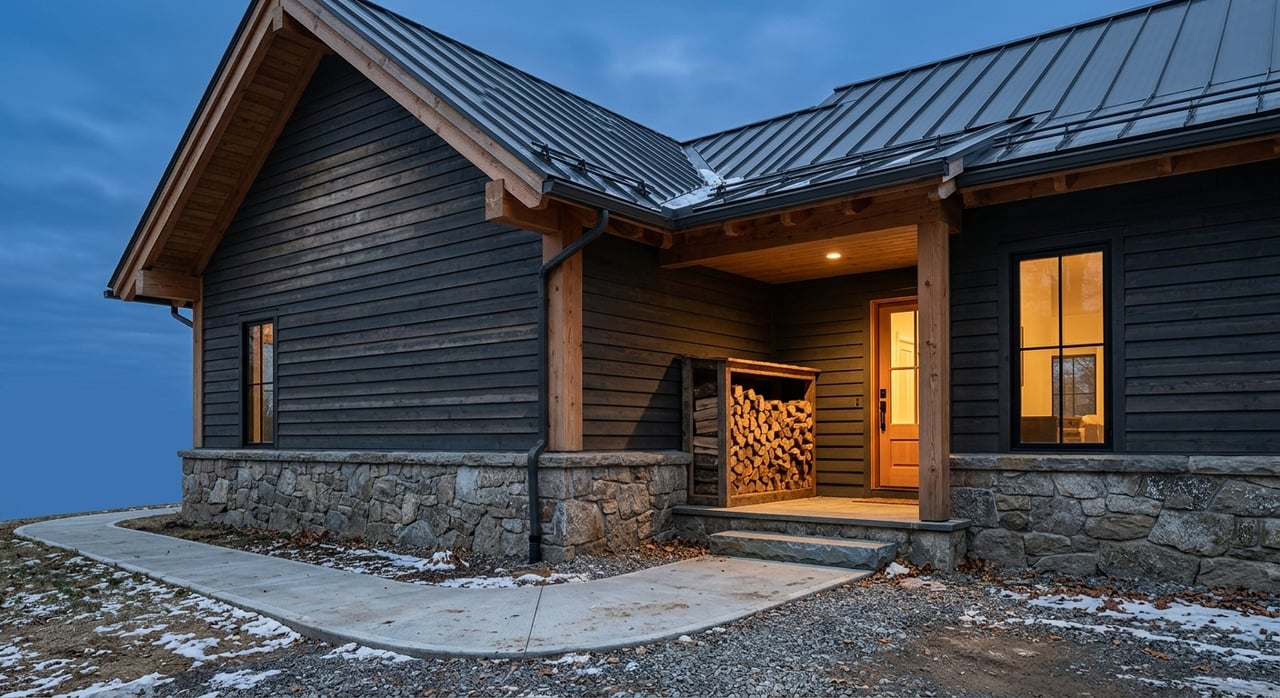
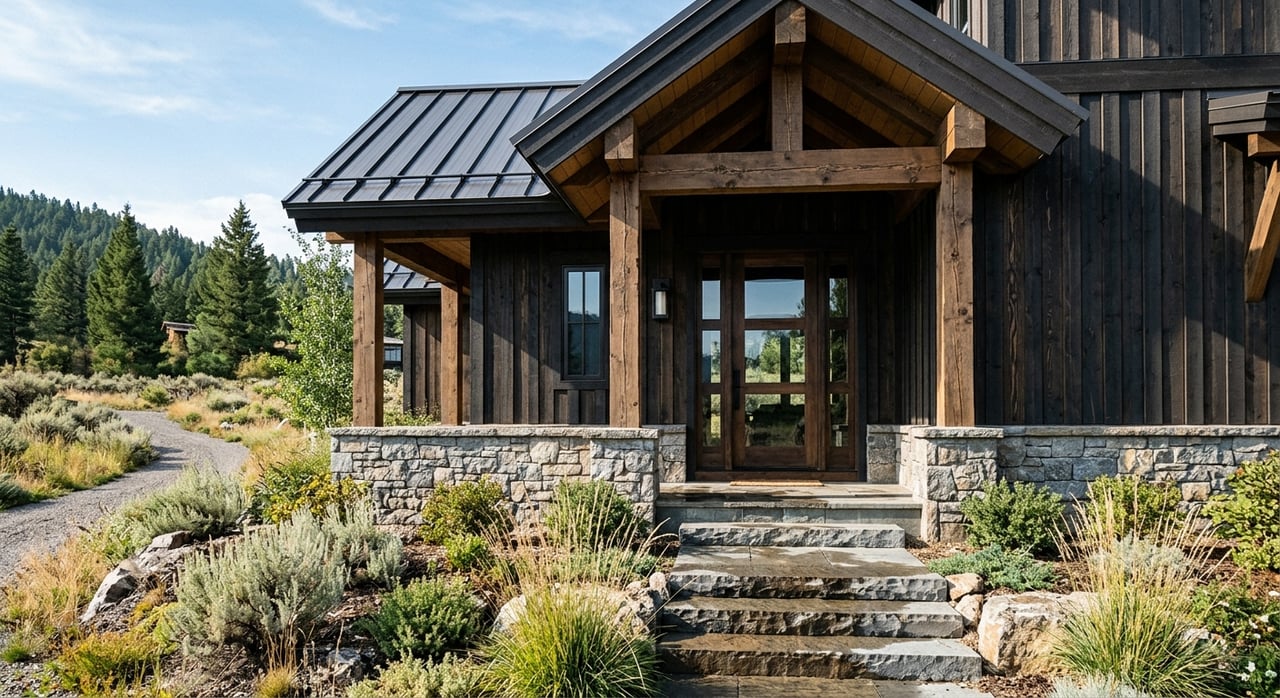
If you are picturing a suburban neighborhood full of similar homes, Coalville is probably not that market. Current inventory leans more toward log cabins, mountain homes, older family cabins, and properties with additions or accessory structures.
Recent examples in the market include a 1,408-square-foot cabin or log home on 2.05 acres listed at $1.05 million, a 2,588-square-foot log cabin on 5.32 acres, a 2,929-square-foot home on 7.27 acres, and a 2,300-square-foot cabin on 10.01 acres with a separate bunkhouse or dry cabin.
You will also see recurring cabin features that matter to lifestyle buyers. Common highlights include:
That lot size story matters. In the current Coalville cabin sample, parcels run from about 1 acre to 10+ acres, which is a big part of the appeal for buyers who want breathing room and a more secluded setting.
Coalville often enters the conversation when buyers start comparing mountain options near Park City. If your goal is cabin character, land, and lower entry pricing than the resort core, Coalville deserves a close look.
Park City is still in a very different pricing tier. Zillow places Park City’s typical home value at $1.59 million, and Redfin shows a March 2026 median sale price of $3.2 million. Against Coalville’s $692,123 typical value and $937,500 median list price, Coalville reads as a more land-rich, lower-cost alternative.
Oakley is another useful comparison because it attracts many of the same cabin and rural-home buyers. Realtor.com shows Oakley with a $1.099 million median listing price, 48 homes for sale, and 182 median days on market. In practical terms, Oakley and Coalville compete in a similar mountain-rural lane, but Coalville often offers a broader entry range and more in-town utility infrastructure.
For lifestyle buyers, Coalville’s appeal usually goes beyond the cabin itself. You are often buying a setting, not just a structure. Acreage, privacy, room for equipment, guest flexibility, and a quieter mountain base all play into the decision.
That is why cabin shopping here needs a different lens than shopping for an in-town condo or newer subdivision home. A beautiful deck and vaulted ceiling matter, but so do the road in, the water setup, and how the property functions through every season.
One of the biggest differences between in-town Coalville properties and more rural cabin parcels is infrastructure. Coalville City provides culinary water and secondary water, with the secondary-water season typically running from about May 10 through September 30. The city also owns and operates the community wastewater treatment plant.
That can make in-town properties feel more straightforward from a utility standpoint. If you are looking for a mountain property with a simpler service setup, that is a meaningful advantage.
Outside the city core, utility arrangements vary much more. Current Coalville-area cabin listings show combinations like:
Before you treat a property as fully turnkey, verify exactly how water, wastewater, heating, and connectivity work. In cabin markets, those details can affect both day-to-day use and long-term resale appeal.
In Coalville, access is not a minor detail. The city development code allows access by a private driveway, road, or lane in some cases rather than direct public-street frontage, and residential lot standards vary by district.
That means you should confirm road access, easements, and zoning early, especially if you are buying acreage or a cabin parcel. If your plan includes updates, expansion, or long-term hold value, those details can shape what is practical.
The development code also sets a 35-foot height limit for buildings intended for human habitation in residential zones. If you are buying with future renovation plans in mind, it helps to understand those limits upfront.
Many cabin buyers love the idea of improving a property over time. In Coalville City, a building permit is required for the construction, enlargement, alteration, repair, movement, improvement, removal, conversion, or demolition of a building or structure.
There is one useful exception for smaller detached accessory buildings under 200 square feet. That can be helpful if you are thinking about a compact storage shed, but larger additions, remodels, or cabin improvements still need review.
Coalville can appeal to investors, but the underwriting process is different from a denser rental market. Public rental data is limited. Realtor.com shows only 1 rental property in the city, and Zillow’s Coalville market page shows only 2 for-rent listings.
That thin rental pool means long-term lease comps may not tell the full story. In many cases, investors need to evaluate opportunities based on the property itself, the cabin’s use case, and broader mountain-cabin demand rather than relying on a deep local set of rent comparables.
If you are considering short-term rental use, compliance needs to be part of your plan from day one. Coalville allows short-term rentals, but they are regulated and require a short-term rental business license.
The city also requires either the owner to be onsite or the rental manager to be within 10 miles of the property. Rentals are subject to annual review and or inspection by the Summit County Health Department and North Summit Fire District.
Operators must also post occupancy limits, parking plans, and quiet-hours or noise information. Exterior signs are prohibited, and RVs, campers, tents, and other temporary sleeping structures are not allowed.
For many investors, that does not rule Coalville out. It simply means the operating plan has to be realistic, local, and compliant.
For lodging stays of less than 30 consecutive days, Utah transient room tax applies in addition to sales tax. If you are modeling short-term rental income, be sure your numbers account for those taxes and the administrative side of compliance.
This is one more reason cabin investing in Coalville should be property-specific. The right deal often depends less on headline price and more on management logistics, operating costs, usable occupancy, and how smoothly the property can function as a rental.
Coalville tends to work well for two groups. The first is the lifestyle buyer who wants a cabin experience with more land, more privacy, and a more rural feel than Park City’s resort core typically offers.
The second is the investor who understands that mountain properties require hands-on due diligence. In this market, success often comes from buying the right combination of access, utility setup, cabin appeal, and compliance readiness, not just from chasing a low price per square foot.
Whether you are buying for personal use, rental income, or both, a few questions can help you avoid surprises:
In Coalville, those answers can affect value just as much as finishes and views.
Cabin properties ask more of you than a standard home search. You are not only evaluating price and condition. You are also looking at access, land use, utility systems, seasonal logistics, and future flexibility.
That is why buyers and investors benefit from working with someone who understands how mountain properties actually function in the Park City-area market. A cabin can look perfect online, but the real story is often in the details behind the listing.
If you are weighing Coalville against Park City, Oakley, or other nearby mountain communities, Cameron Boone can help you sort through the tradeoffs, identify the right fit, and move forward with a clear plan.
Stay up to date on the latest real estate trends.
As a young real estate agent, I bring a unique blend of youthful energy and extensive hands-on experience, having successfully completed over 150 transactions totaling more than $85 million in sales. My roots in Park City run deep – I own my primary residence in the charming Old Town neighborhood and have also invested in two additional rental properties in the same area.