Cash vs Financing in Park City Real Estate Bidding
January 1, 2026
January 1, 2026
Are you eyeing a Park City home right as ski season heats up? You are not alone. Inventory can feel tight, and the best listings near the slopes or with big views often draw multiple offers fast. In this guide, you will learn how cash and financing really stack up in local bidding wars, plus exact tactics that strengthen your offer without taking on avoidable risk. Let’s dive in.
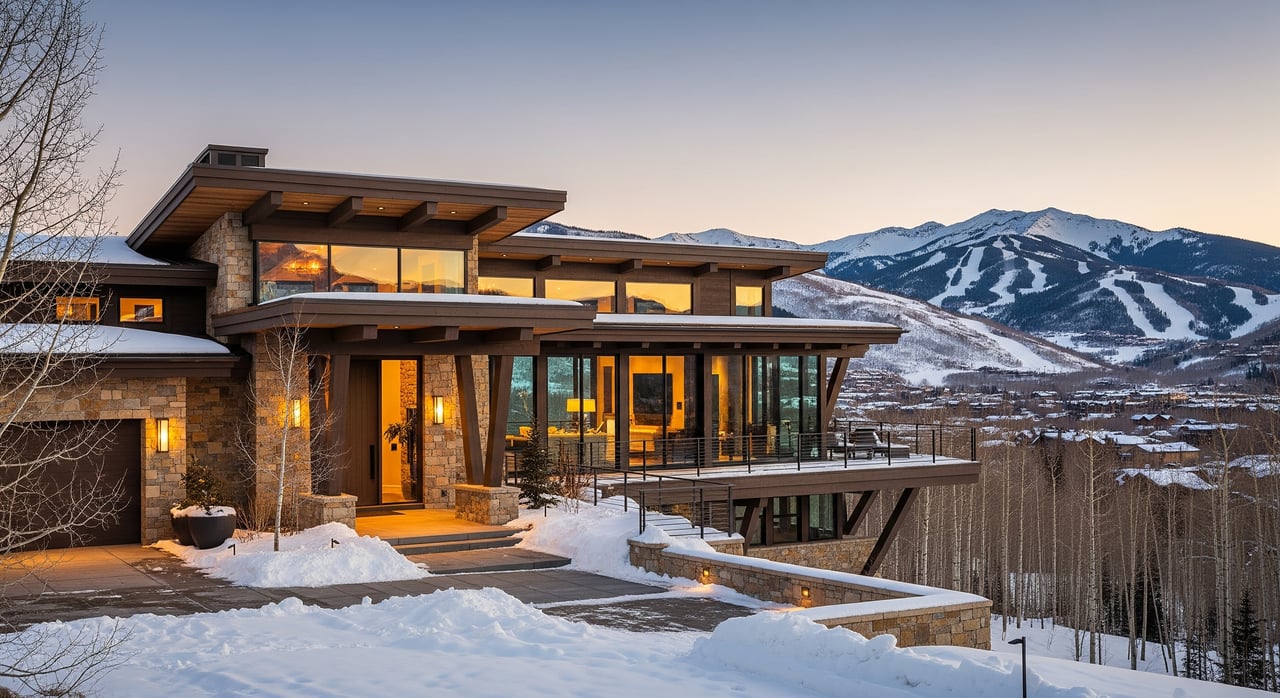
Park City is a resort market with seasonal demand spikes, especially in fall and winter when buyers want to be set for ski season. Homes close to lifts, trails, or Main Street often attract multiple offers. Low inventory adds pressure, and that can push prices ahead of the latest comparable sales, which creates appraisal challenges for financed buyers.
The buyer mix here includes primary residents, second-home buyers, and investors. Cash buyers are common. That said, well-prepared financed buyers win often by offering speed, certainty, and clean terms.
A cash offer means you have the funds available to close without a mortgage. You will submit a recent proof of funds, such as a bank or investment statement or a banker letter, that clearly shows your name and balance. Sellers value the simplicity of cash and the reduced risk of loan-related delays.
Cash can close faster because there is no underwriting. Some sellers still ask for an appraisal or other checks, but many do not. Your job is to show real, ready-to-close funds and a clean path to the finish line.
A financed offer includes a lender preapproval and the usual financing contingency. Prequalification alone is not enough in a bidding war. You want an underwritten preapproval, or even a conditional approval that shows your lender has already reviewed your income, assets, and credit.
Sellers look for certainty. If your lender can document strong underwriting and fast timelines, a financed offer can look nearly as safe as cash, especially when paired with other strong terms.
This is not absolute. Sellers weigh the whole package: price, timing, certainty, and convenience.
A financed offer with these pieces can beat a lower cash offer or even a similar one that is less flexible.
For cash buyers, provide recent statements that cover the full purchase price and closing costs. Redact account numbers, but leave your name and balances visible. For financed buyers, include proof of down payment and reserves, plus your lender letter.
Keep it tidy. A short cover note that explains the source of funds and your intended use helps the seller see the full picture.
In Park City, a near-complete underwriting file paired with a shortened contingency often hits the right balance of safety and competitiveness.
When an offer price is above recent comparable sales, the appraisal may come in low. You can strengthen your offer with clear, capped solutions.
Always quantify your exposure. Know the maximum extra cash you might need if the appraisal misses.
In competitive situations here, buyers often shorten inspection periods to 3 to 10 days. Many choose 5 to 7 days to balance speed and diligence. You can also limit repair requests to major systems, structural items, or clear health and safety concerns.
As-is can win deals, but it is risky. If you want a middle path, go with a short inspection window and a promise to focus on material issues only. This keeps your offer strong while protecting you from major surprises.
Speed matters. Lenders who verify your income and assets up front, order the appraisal day one, and run your file through underwriting early can shave days off. That can be the difference in a multiple-offer scenario.
Local Park City lenders and title teams often move faster because they know appraiser availability and seasonal timelines. Ask your lender for realistic appraisal and underwriting turn times before you write.
Little friction points can sway a seller when prices are close.
Waiving financing or appraisal protections can put your earnest money at risk and force you to bring unexpected cash to close. Waiving inspection can leave you with hidden defects and costly repairs. Before you waive anything, put numbers to the downside.
Work through a simple checklist: your maximum cash on hand, the dollar cap you will cover on an appraisal gap, the shortest inspection period you are comfortable with, and how you will fund any shortfall. Clarity builds confidence and helps you act fast.
If you are weighing Old Town condos, cabins, or luxury homes across Park City’s neighborhoods, your strategy may shift by property type and season. Cabin and unique-home purchases can benefit from extra inspection focus and a lender who understands non-standard comps.
Winning in Park City is about price, certainty, and timing. Build a complete package that shows you are ready to close, you respect the seller’s timeline, and you have a clear plan for appraisal and inspections. If you want a local partner who lives in Old Town and understands cabin nuances, timing, and lender speed, reach out to Cameron Boone to craft a winning strategy.
Stay up to date on the latest real estate trends.

As a young real estate agent, I bring a unique blend of youthful energy and extensive hands-on experience, having successfully completed over 150 transactions totaling more than $85 million in sales. My roots in Park City run deep – I own my primary residence in the charming Old Town neighborhood and have also invested in two additional rental properties in the same area.